Parish History
A Parish Born From Faith & Frontier
The history of St. John the Baptist Roman Catholic Church in Hadashville, Manitoba, is inseparable from the history of Catholic settlement in southeastern Manitoba. It is a story of faith carried across oceans and prairies, of communities built from the ground up by devout men and women who refused to let their religion remain behind when they struck out for a new life in the Canadian West.
In the late 19th and early 20th centuries, waves of Catholic immigrants — many of them from Poland, Ukraine, Germany, France, and the British Isles — settled the fertile lands of southeastern Manitoba. Among them were families who would become the founding members of what is now St. John the Baptist Parish in Hadashville.
A Century of Parish Life
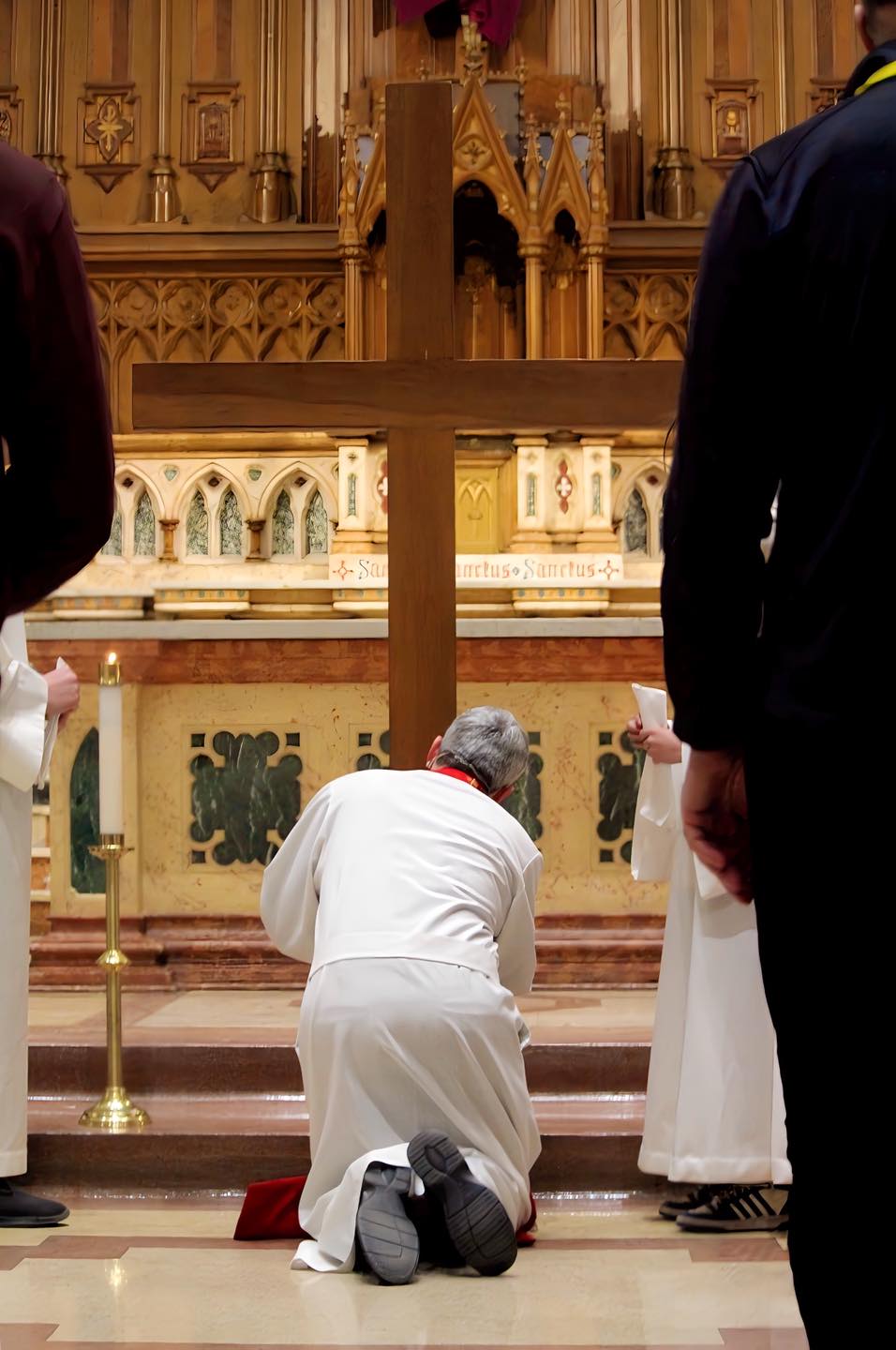
From the first Masses celebrated in homes and barns, to the construction of our church building, to the vibrant parish community of today — our history is a testament to faith that endures.
The First Catholic Settlers Arrive
Catholic farming families begin settling the Hadashville area, drawn by Manitoba's homestead opportunities. Without a permanent church, early Masses are celebrated in family homes, barns, and community halls — wherever the priest could gather the faithful for the Eucharist. These foundations of faith, offered in humble circumstances, plant the seeds of a lasting parish community.
Parish Formally Established
As the Catholic population of the Hadashville region grows, the community formally establishes the Parish of St. John the Baptist — named after the great prophet and forerunner of Christ. A site is chosen, a small church building is constructed, and the parish registers its first baptisms, marriages, and confirmations.
Growth & Consolidation
Through the challenges of the Dust Bowl years and the Second World War, the parish remains a source of steadfast hope and unity for the community. Parishioners support each other through hardship with characteristic rural generosity. The parish cemetery is established, and sacramental records grow to reflect the expanding families of the region.
Post-War Renewal & Second Vatican Council
The post-war years bring renewed vitality to the parish. Young families fill the pews, the school of religion expands, and active parish organizations — including the Catholic Women's League and Knights of Columbus — flourish. The Second Vatican Council (1962–1965) brings significant liturgical renewal, and the parish embraces the reformed rites with prayerful engagement.
Pastoral Deepening & Community Building
The decades following Vatican II are marked by deepening pastoral programs, the emergence of lay ministry, and an increased engagement with the local community. Faith formation programs expand, and the parish develops stronger relationships with neighbouring communities and parishes throughout the region.
Navigating Change in Rural Manitoba
Like many rural parishes in Canada, St. John the Baptist navigates the challenges of population shifts, consolidation of agricultural communities, and changes in pastoral staffing. The parish community responds with resilience, creativity, and a deepened appreciation for the unique gift of this rural faith community.
A Renewed Commitment to Mission
The parish enters a period of renewed commitment to evangelization, faith formation, and community service. New programs are developed, the pastoral care of seniors is strengthened, and the community continues to discern what faithful Catholic life means in the beautiful, challenging, and irreplaceable context of rural southeastern Manitoba. Our story is very much still being written — by you and by every person who belongs to this parish.
What Those Before Us Built
It is impossible to stand in our church on a Sunday morning without being aware of the generations who have stood there before us. The pews polished by the Sunday best of grandparents and great-grandparents. The font at which generations of children were baptized. The altar at which countless Eucharistic celebrations have been offered, through every joy and sorrow, every harvest and hard winter that the history of this parish encompasses.
The Parish Cemetery
Our parish cemetery is one of the most tangible connections to our history. The names on its stones tell the story of this community — the founding families, the children who did not survive infancy, the soldiers who went to war, the farmers who lived to old age, the priests who served this people. We tend our cemetery with care and reverence, recognizing it as holy ground and a reminder that our life in Christ reaches beyond the boundaries of this world.
Heritage & Identity
The cultural heritage of our founding families — their traditions of piety, their devotion to Mary and the saints, their commitment to communal celebration and mutual support — continues to shape who we are as a parish. We carry this heritage forward not as a museum piece, but as a living tradition that continues to bear fruit in every generation.
"Remember the days of old; consider the generations long past. Ask your father and he will tell you, your elders, and they will explain to you." Deuteronomy 32:7
We are grateful to all who came before us, and we commit ourselves to being faithful stewards of the gift they have passed on — so that we, too, might leave to those who come after us a parish that is alive with faith, generous in service, and rooted in the love of God.